Online course · four modules · Poland

Launch a mobile food business without renting a restaurant

A structured, self-paced course built around four practical modules: choosing between a food truck, trailer or market stall, working through the Sanepid approval process using publicly available guidance, reading foot traffic to pick locations, and designing a menu and daily break-even model for a kitchen that fits in three metres.

Two course founders reviewing a route and cost sheet on a laptop at an outdoor table

Why this course exists

A narrow, specific problem deserves a narrow, specific course

Most hospitality courses in Poland are written for people opening a fixed premises: a lease, a fit-out, a table plan. Mobile food operators face a different set of decisions. Where you park changes the paperwork. Your kitchen is smaller than most home kitchens. Your daily costs shift depending on which market or street you choose that week.

This course does not sell trucks, trailers or kitchen equipment. It focuses on the decisions and calculations that determine whether a mobile food operation is financially workable before any vehicle is purchased.

  • Four modules, each with a downloadable spreadsheet template
  • Based on publicly available Sanepid and municipal guidance
  • Written for the Polish market, applicable across most voivodeships

The curriculum

Four modules, one working spreadsheet

Each module builds toward a single set of linked spreadsheets covering format costs, compliance milestones, location scoring and daily break-even.

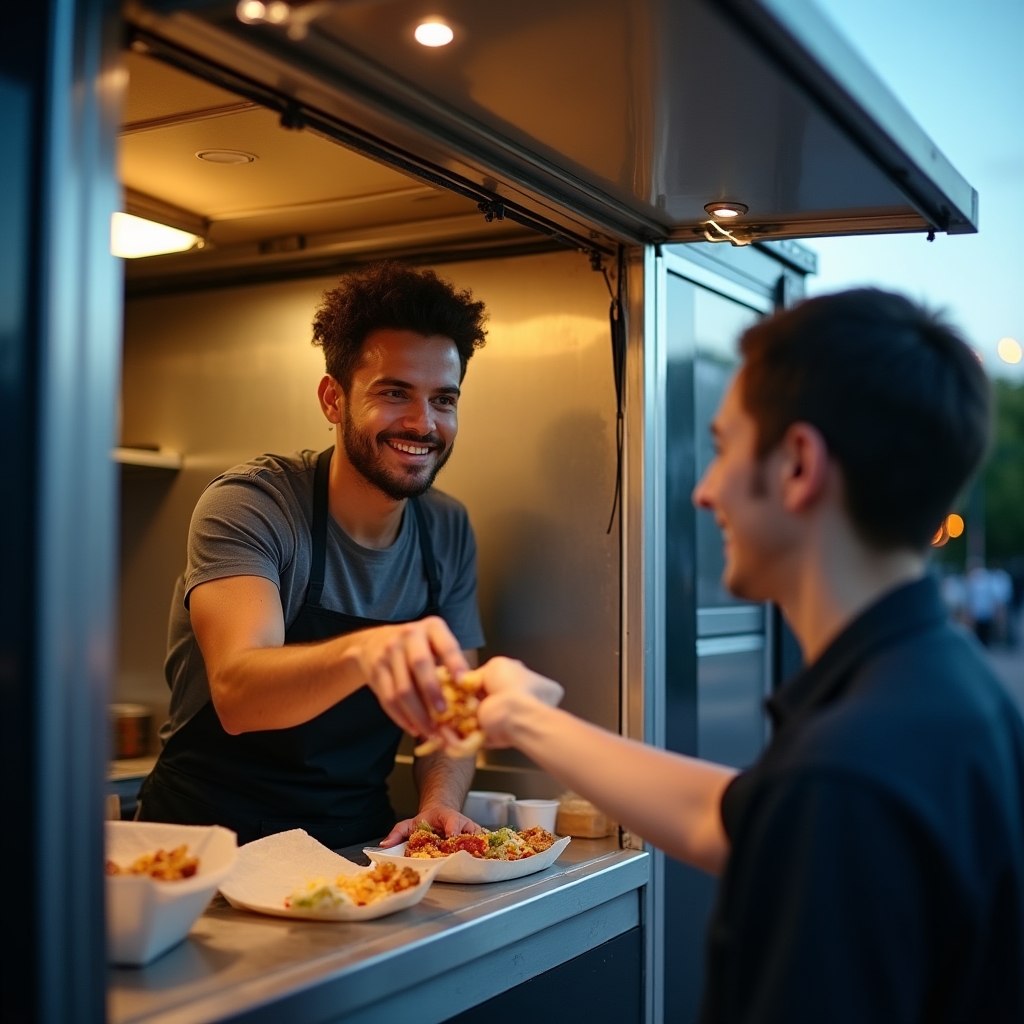
Cook serving a customer through the service window of a food truck at a street stand
01

Food truck, trailer or market stall

A side-by-side look at upfront cost, running cost, permitted operating hours and typical resale patterns for each format. Includes a comparison spreadsheet you fill in with your own city and cuisine.

Person reviewing a printed hygiene checklist and folder of documents at a desk
02

The Sanepid approval path

A walk-through of the documentation and inspection steps described in publicly available Sanepid guidance, organised as a checklist rather than a summary.

Person standing on a city street corner observing pedestrian flow with a notebook
03

Reading foot traffic before you commit

Methods for observing and logging pedestrian flow at candidate locations, weekday versus weekend patterns, and how nearby offices, transit stops and events shift demand by hour.

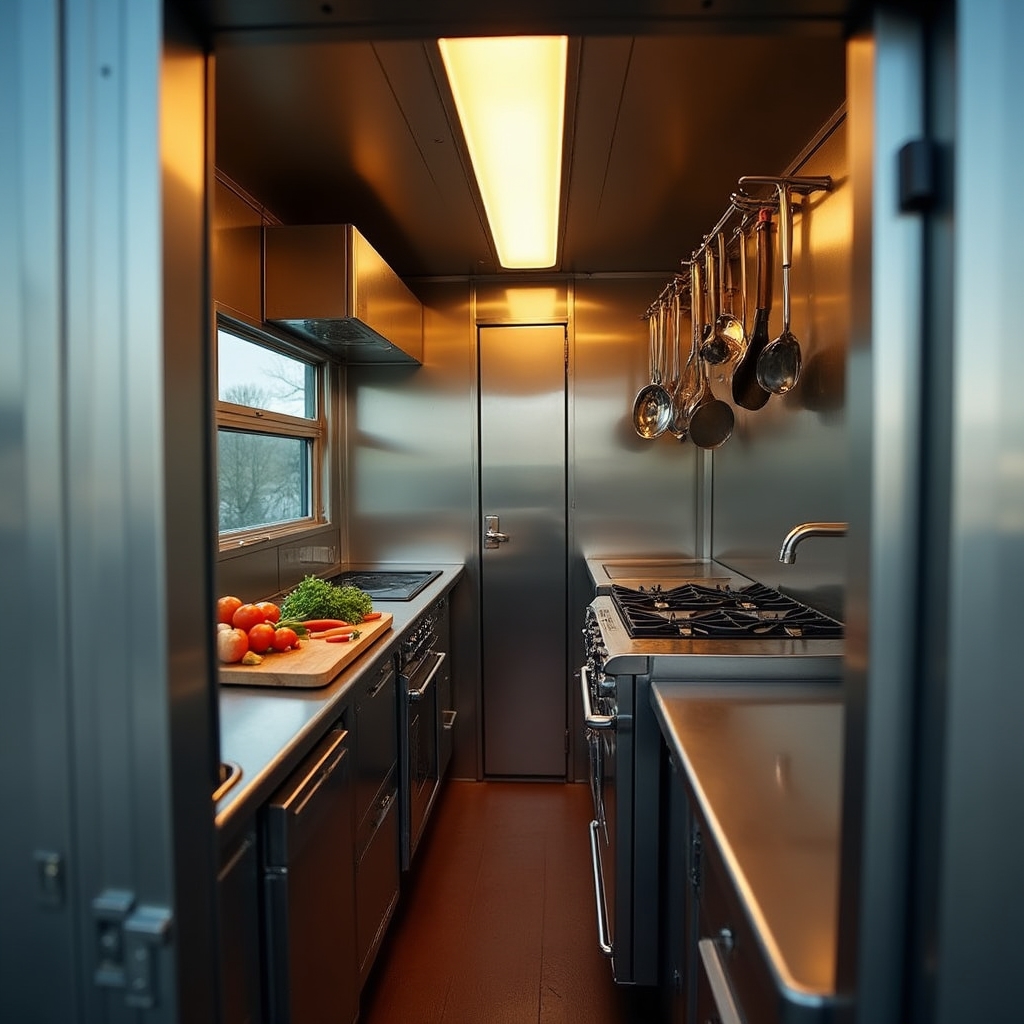
Compact stainless steel kitchen interior inside a small food trailer
04

Menu design and daily break-even

Building a menu that a single cook can execute from a three-metre galley, then linking ingredient cost, prep time and daily rent to a break-even spreadsheet that recalculates for every new pitch.

How it is structured

What each part of the course actually covers

This section lays out the recurring cost categories for each format: insurance, fuel or generator running cost, market or street permit fees, storage between shifts, and depreciation. Rather than telling you which format is preferable, it gives you a template to plug in your own city's permit fees and your own cuisine's ingredient volume, so the comparison reflects your situation rather than a generic average.

We organise the publicly published sanitary requirements into a sequence: HACCP documentation appropriate to a mobile unit, water supply and waste water handling, staff health book requirements, and the notification steps for a mobile point of sale. The module points to the official published guidance rather than replacing it, and explains how the requirements differ slightly between a stationary trailer and a unit that relocates daily.

A repeatable method for scoring a candidate pitch: count pedestrian passes in fifteen minute blocks across several dayparts, note nearby anchors such as transit stops, office entrances or market stalls, and log weather and day-of-week effects. The accompanying spreadsheet converts these logs into a comparable score across multiple candidate sites.

Menu planning here starts from the kitchen, not the recipe. We look at how many burners, how much refrigeration and how many prep surfaces a typical three-metre galley offers, then work backward to a menu of four to seven items that share ingredients and can be plated within a target service time per order.

A fixed restaurant calculates break-even once a month. A mobile operator recalculates it every time the pitch fee, drive time or expected footfall changes. This section builds a single spreadsheet formula that takes daily variable inputs and returns the number of orders needed to cover that day's cost before it starts.

Every module includes a downloadable spreadsheet: format cost comparison, Sanepid document checklist, location scoring log, menu costing sheet and the daily break-even calculator. They are plain spreadsheet files, editable in common spreadsheet software, with no macros or subscriptions attached.

Before you enrol

Four things worth understanding first

We do not sell vehicles

This course does not broker, rent or sell food trucks, trailers or kitchen equipment. It teaches the planning and paperwork that comes before any equipment purchase.

Built on public guidance

The Sanepid module references publicly published sanitary inspection guidelines. It is an organised walk-through of public information, not a substitute for direct contact with your local inspection office.

Self-paced, spreadsheet-driven

Video lessons pair with downloadable spreadsheets so you can apply each concept to your own numbers as you move through the material, at whatever pace suits your schedule.

Written for Poland

Terminology, permit categories and public guidance references are aligned with Polish administrative practice, with examples drawn from several city types rather than one region alone.

Review the module breakdown before deciding

The full course page lists lesson topics, included templates and estimated time per module, so you can see the structure before enrolling.

Open the course page